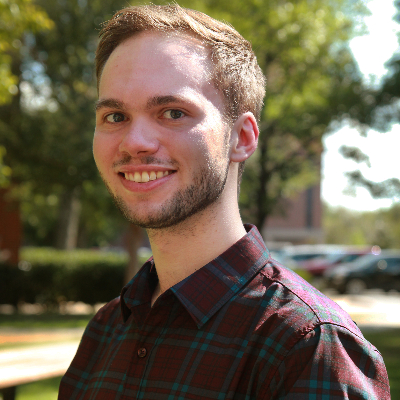
Mempo Giardinelli (Resistencia, 1947) has made El Chaco—that vast region of the Tropic of Capricorn—the center of both his life and literary work; novels such as Luna caliente and El Décimo Infierno (translated as The Tenth Circle by Andrea G. Labinger) are proof enough. A writer and journalist, Giardinelli’s narrative work has enjoyed widespread recognition from both critics and the reading public, with works including La revolución en bicicleta, La última felicidad de Bruno Fólner (translated as Bruno Fólner’s Last Tango by Rhonda Dahl Buchanan), and Santo Oficio de la Memoria. He is also the author of numerous books for children and young adults, and a frequent contributor to the newspaper Página/12, among other American and European publications. His teaching career has taken him to universities in both Mexico and the United States. Giardinelli’s work has received major distinctions, including the Premio Rómulo Gallegos and the Premio Nacional de Novela de México, among others. We spoke with the Chaco-born author about his long literary career, among other things.
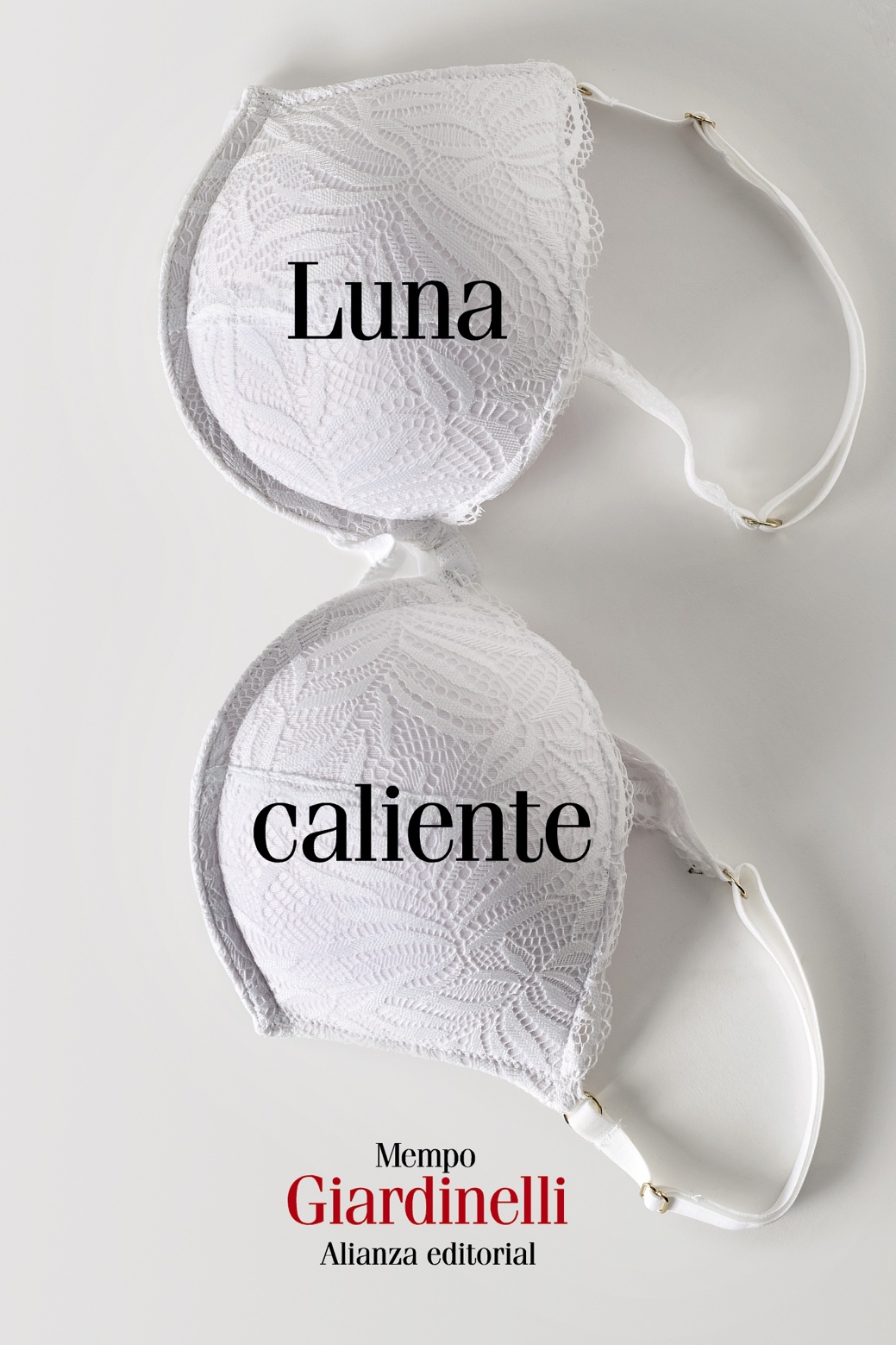
Eduardo Suárez Fernández-Miranda: Alianza Editorial has recently reissued Luna caliente and El Décimo Infierno. In both novels, one can sense that tension between Eros and Thanatos, those opposing drives proposed by Freud. Would you say this is an important element in both works?
Mempo Giardinelli: I suppose so. That tension is always present in literature, even when it doesn’t seem to be. And throughout my narrative work, I do think it played a prominent role, although I never set out to make it so. These tensions, I believe, are constitutive of art in every era, regardless of authorial intention.
E.S.F-M.: You have chosen El Chaco as the setting for some of your works—a place characterized by humid, suffocating heat. Do you believe that, in some way, it shapes the fate of your characters? Could you tell us a bit about this region, so we can get to know it better?
M.G.: Historically, El Chaco has been an impenetrable territory—as it is still called today—because of its lush forests, where some indigenous communities still survive: the Qom, Wichí and Mocoiq peoples, who are something like remnants of a vast territory in which communities still live in what is known as the Selvas del Impenetrable (“the Jungles of the Impenetrable”).
Since the Spanish and Portuguese occupation of South America, between the sixteenth and nineteenth centuries, El Chaco was considered a territory to be conquered—although the first human settlements in the Chaco date back between two thousand and three thousand years. It is a region originally covered by jungle: a southern outcrop of Brazil’s Matto Grosso and of what are now the republics of Bolivia and Paraguay—in other words, the heart of South America. During Spanish rule, this vast region was the scene of constant attempts to subjugate El Chaco’s original inhabitants, and efforts to establish cities were faced with resistance from all the region’s indigenous groups.
A certain Alejo García was the first European to explore El Chaco, arriving in 1524 from the coasts of what is now Santa Catarina, Brazil, in search of gold and silver—only to die the following year. After that came expeditions led by Pedro de Mendoza, Juan de Ayolas, Domingo Martínez de Irala and others, including Álvar Núñez Cabeza de Vaca in 1543. No fewer than seventy expeditions set out for El Chaco from Asunción, and in the Southern Chaco—where I was born and have my home—Concepción del Bermejo was the most important city that the Spanish managed to establish between 1585 and 1632, when they were expelled by the region’s original inhabitants.
At the end of the nineteenth century, the first Italian immigrants arrived from Friuli. And in 1920 came the last massacre—a brutal and massive one—of the indigenous people: what we now call the “Masacre de Napalpí.” Google it, and you will see what horror looks like…
And although over the past fifty years environmental destruction has continued to be criminal, neither the three original communities nor the native fauna were totally eradicated.
Finally, if you look at a map of South America, you will see that El Chaco is an enormous region along the Tropic of Capricorn, spanning southeastern Bolivia, southern Paraguay, and northeast Argentina. I was born here, and except for my ten years of exile in Mexico, El Chaco has been—and remains—my territory of life and literature. This is where I live.
E.S.F-M.: “I knew it was going to happen; I knew it as soon as I saw her. Many years had passed since I had returned to El Chaco, and amid the emotions of so many reunions, Araceli was dazzling.” Araceli in Luna caliente, and Griselda in El Décimo Infierno, are the triggering factors for each book’s tragedy. How did these passionate female characters come about?
M.G.: I suppose they came from the blazing imagination of the young man I once was. I never set limits for myself in that regard—and I swear to you I had as much fun as a carayá, the monkeys typical of El Chaco. In recent years, because of the sheer brutality with which humans harass and exterminate them through deforestation, some families of such monkeys have taken refuge in the cities. In fact, one family survives in the neighborhood where I live, up in the canopies of towering lapachos and ibirapitás. Some of them—tremendously curious—often visit houses in the area, and it is a delight to see them. Their shameless habits suggested certain textual approaches to me. Forgive me if I’m droning on, but I am never asked these types of questions and, naturally, I am improvising…
E.S.F-M.: In the epilogue of Luna caliente, the concierge at the hotel where we find Ramiro tells him: “A young lady is looking for you, sir—practically a little girl.” It is the last line in the novel. What future do you imagine for these two characters? And regarding the title of the book, what is a “hot moon”?
M.G.: When I wrote that novel, I was living in Mexico, and a dear friend and keen reader, Arturo Villanueva Williams, read the first draft. His enthusiasm was so contagious that it proved the best remedy for my young nerves. It was not my first novel, but it was the first one I wrote with a certain anxiety, because I was dimly aware of the character’s fierce machismo and other faux pas. Still, I decided not to censor myself and, because I felt deeply embarrassed, no title seemed right. Until one day, in a café, Arturo—while tossing around possible titles—told me that for a text like that, there was only one possible title: “Luna caliente.” And he gave it to me. Today I think it was a real stroke of genius for a novel I was beginning to suspect would be widely read.
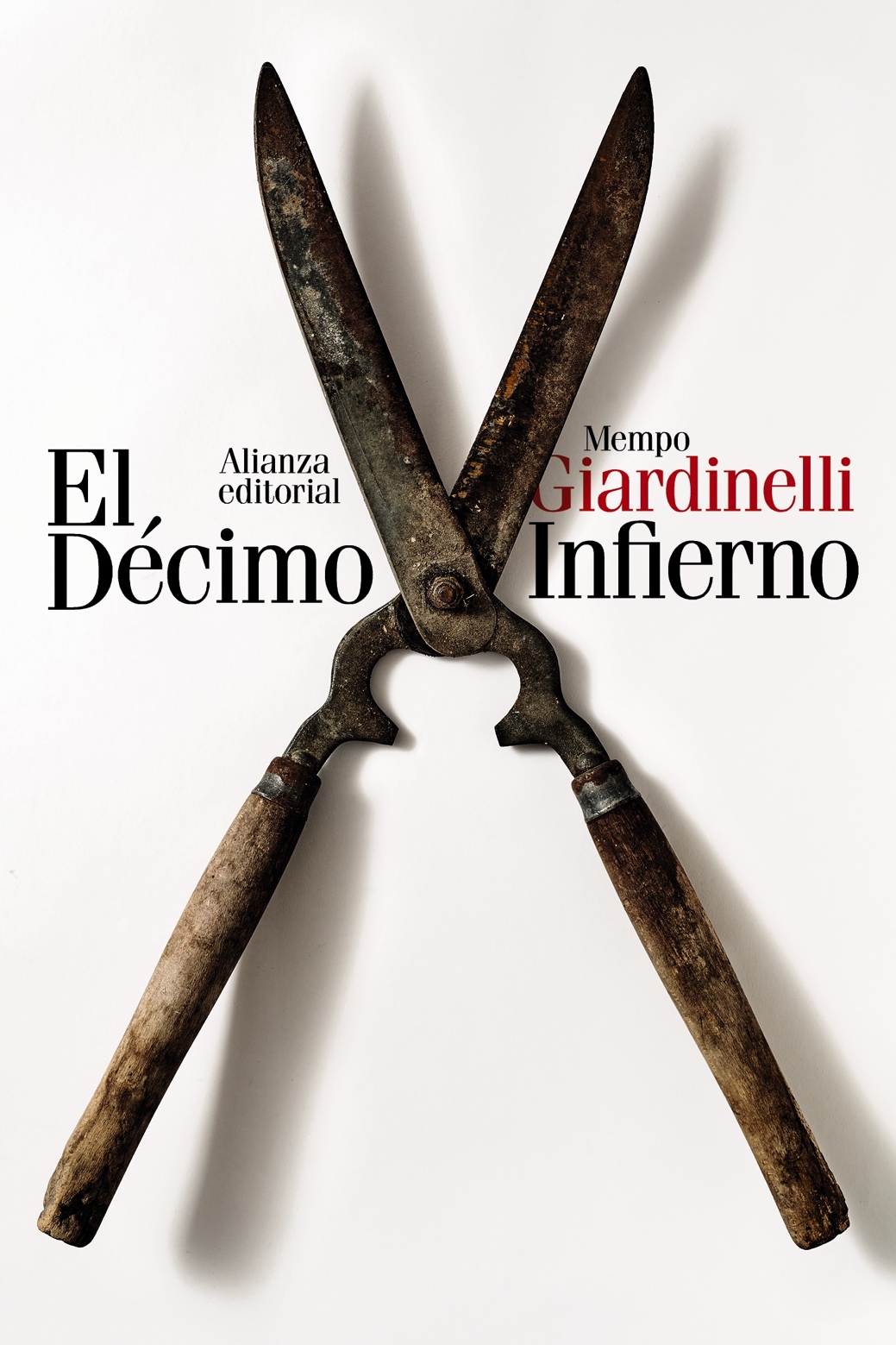
E.S.F-M.: Manuel Estrada is responsible for the design of the “El libro de bolsillo” collection. What do you think of the covers he chose for your novels?
M.G.: I loved them, and I’ll tell you something else: it was love at first sight. They are very original, very attractive covers, and that is no small thing for a rather short novel written forty years ago, translated into twenty-something languages, and adapted to film by notable directors in three countries—and, in Spain, by none other than Vicente Aranda.
E.S.F-M.: You are a journalist and, during the military dictatorship, you moved to Mexico—just like José, the protagonist of Qué solos se quedan los muertos (Alianza Editorial, 2023). Did you draw on autobiographical elements to create this character?
M.G.: No, but yes. It was inevitable, even though I don’t identify with the protagonist and narrator. It is a novel, and as such, pure invention. I know it is inevitable, and I wouldn’t want to offend anybody, least of all my readers, but I must confess that, in a way, I don’t like readers who look for the author’s life in their work. I prefer those who immerse themselves in the text—and better still if they nearly drown and have to surface for air. At least that is the type of reader I have been my whole life: someone who believes everything he is told, enjoys it, suffers through it, and is grateful when there is a good story with proper tension, and so on. That is what happened to me with Cortázar, and even earlier with Faulkner, for example. And with Osvaldo Soriano, the stories of Juan Rulfo, and many more…
E.S.F-M: Qué solos se quedan los muertos was first published in 1985. Have you felt tempted to revise this new edition? The book is dedicated to Juan Rulfo, among others. You knew him—what can you tell us about the great Mexican writer?
M.G.: Those are two questions. To the first, yes: I did revise—and in my opinion, improve—Qué solos… I don’t normally do that with reissues, but in this case, I felt the text could gain a lot from some light revisions, and I don’t think I was mistaken. As for Rulfo: he was the most important of my teachers, in part because he was also my friend. Generous, ironic, and demanding, Rulfo—along with Edmundo Valadés—were my literary godfathers in Mexico. They made room for me, taught me, took care of me; in fact, they were my two Mexican teachers, both in matters of life and in literature. Sometimes Tito Monterroso, Elenita Poniatowska, and—on occasion—Juan José Arreola would join us. Those gatherings were a little heaven of wisdom, literature, and subtle humor, a delight for my soul almost every week. And yes, I know and I always think: someday I will need to write about those years and those friendships I was so grateful for, and that even today I remember with real affection. But who knows…
E.S.F-M.: Your most recent novel, Esto nunca existió (Edhasa, 2022), is based on true events. It confronts readers directly with what in Argentina is known as “los años setenta.” We find ourselves in June 1976—a time of horror and death. Was it particularly hard to write this novel, given everything that happened during those years?
M.G.: A year ago, one of my friends said she imagined that for a machito like me—as I was then—it must have been like giving birth. And, in fact, this novel took me over twenty years of starting and abandoning it, picking it back up again and suffering through it, realizing that I couldn’t do it and yet trying again each time… I even reached the point of deciding to abandon the project altogether, and maybe that decision is what helped me keep going. And the years, of course… I don’t know if other writers experience the same thing, but after turning seventy, I believe one can feel less constrained by one’s own life, even if fears and passions remain intact.
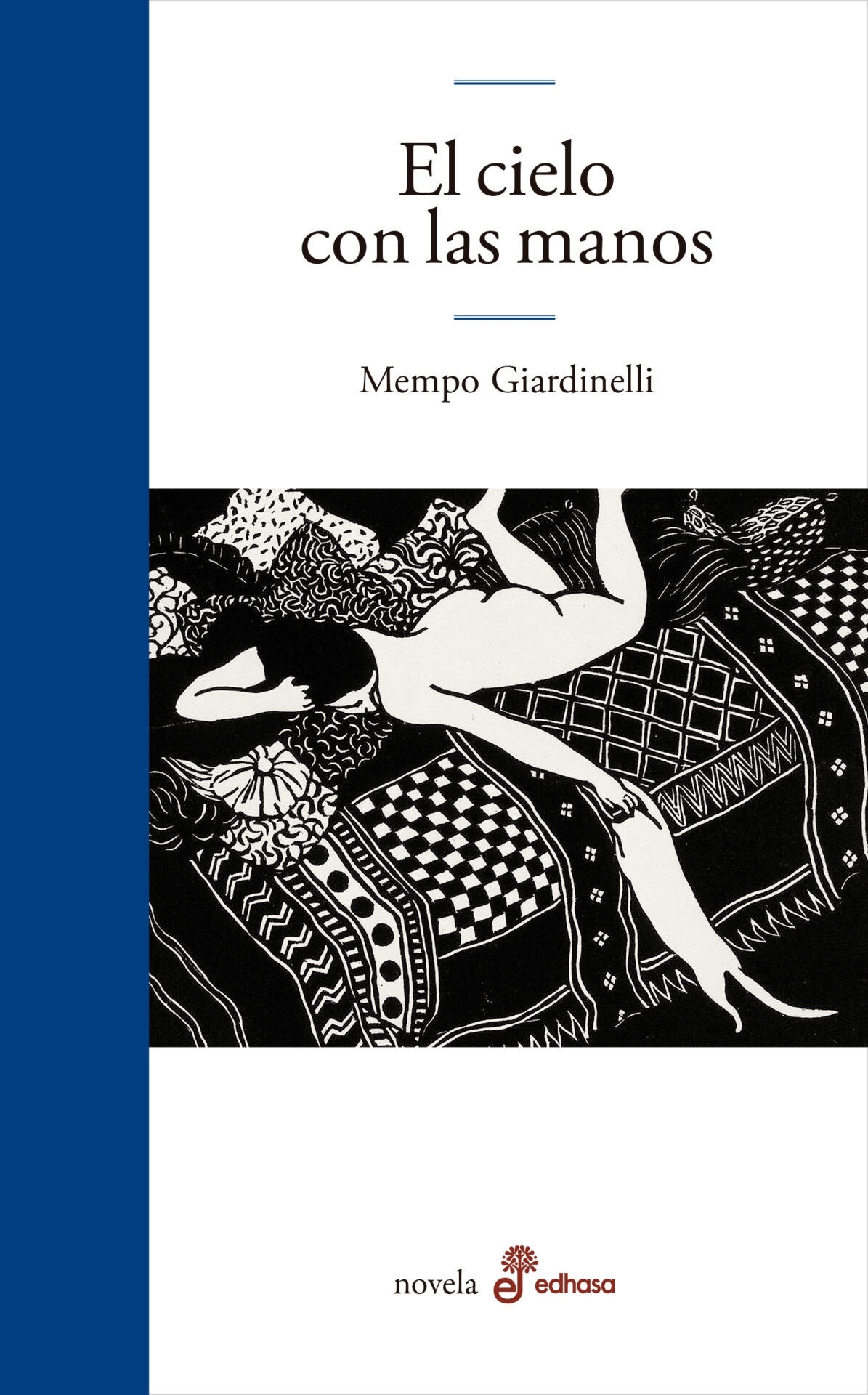
E.S.F-M.: Edhasa (Argentina) has published a great deal of your narrative work, including La última felicidad de Bruno Fólner, El cielo con las manos, and La revolución en bicicleta. Have you considered reissuing any of these books in Spain?
M.G.: All of them! I dream of one day having all my books reissued. Since my first novel, La revolución en bicicleta, was published in 1980, I have always aspired to have my work read in Spain, which I believe is the most reading-oriented society in the Spanish-speaking world.
E.S.F-M: Your literary work has been widely translated, reaching countries like Germany, France, the Netherlands, Canada, and South Korea. Do you tend to get involved in the work of your translators?
M.G.: Yes. I’ve been fortunate to have my work translated into Greek and Bulgarian, Arabic and Hebrew, Russian and Italian, and into English—and recently several of my works have been translated in China and the United States as well. And the answer is yes, I do get involved, but only when I’m asked or consulted by those translating me—which happens in almost every case, and I’m deeply grateful for it. Because a novel—or short stories—when translated well and in dialogue, are always better than in the original.
E.S.F-M.: You have also written for children and young adults, collaborating with the Argentine illustrator Natalia Colombo to create the character of Celeste. Could you tell us a bit about that side of your work—as an author of books for younger readers?
M.G.: Ah, yes, it is a delightful genre! Although it is a lot more difficult, complex, and demanding than it seems at first glance… Luckily, I have three daughters and six grandchildren who have been inspiring, without meaning to be. And I say it’s difficult because children’s stories are a very serious matter, at least for me. It’s a genre that I find really challenging, and when I fail—because yes, sometimes I do—it affects me deeply.
E.S.F-M.: You are president of the Fundación Mempo Giardinelli, whose motto is “Reading opens eyes.” How did this project come about? What kind of work does the foundation do?
M.G.: Oh, dear friend—we could spend hours on that question, so I’ll only say this: our foundation was born out of Argentina’s economic collapse in the 1990s. I was editing a magazine called Puro Cuento, which was quite popular, and which I’m actually planning to relaunch now. When our modest little venture went bankrupt, like thousands of others in the country, I fell into depression and withdrew for a while. But in 1993, when I received the Premio Rómulo Gallegos, I used the prize money to establish the foundation, which today is widely respected as a pioneering national center for the promotion of reading and literature. For more than twenty years, we have organized the volunteer initiative Abuelas Cuentacuentos, which is now present in more than sixty cities across Argentina and Latin America. For nearly thirty years, every August, we’ve organized an International Forum for the Promotion of Books and Reading, and our Institute for Training Teachers and Librarians as reading mediators has become an educational staple—one I’m quite proud of. You can find all of these initiatives at: https://www.fundamgiardinelli.org.
E.S.F-M.: Latin American literature today includes many very interesting writers. We might think of Argentine authors like Mariana Enriquez, Samanta Schweblin, or César Aira, and Mexican writers like Fernanda Melchor, Valeria Luiselli, or Juan Villoro. What do you make of the writing emerging from these two countries, which you know so well?
M.G.: I think we produce literature just as demanding and complex as that of any other country. I don’t believe that nationality determines literature. Juanito Rulfo in Mexico, Rubem Fonseca in Brazil, María Elena Walsh in my country, or Augusto Roa Bastos in Paraguay weren’t great because of their nationalities, but because they were extraordinary artists, highly cultured, tireless readers, sensitive observers of the worlds they lived in and wrote about.
And in the case of Argentina—my literary home—Samanta and Mariana, without a doubt, along with Claudia Piñeiro and the two Guillermos—Martínez and Saccomanno—make up a remarkably rich present, alongside contemporary classics like Noé Jitrik and Tununa Mercado, and major writers from outside Buenos Aires, like Camila Sosa Villada (from Córdoba), Selva Almada (Entre Ríos), Orlando van Bredam (Formosa), and my Chaco compatriots Mariano Quirós, Francisco “Tete” Romero, and the poet Claudia Masín, to name just a few. I’m surely forgetting others, because if the literature written in Buenos Aires is vast and significant, so too is the literature of Argentina’s interior.
E.S.F-M.: Returning to El Décimo Infierno—part of the novel was written in Gijón. What relationship do you have with this Asturian city? Have you participated in Semana Negra?
M.G.: I adore Gijón, and I often attended the wonderful Salón Literastur that my unforgettable friend Luis Sepúlveda used to organize years ago. But I have never been invited to Semana Negra, even though I am the author of several detective novels and a book literally titled El género negro, which has been translated and reissued several times. But don’t ask me why I have never been invited, because honestly, I have no idea.
E.S.F-M: To conclude, we would like to know if you are working on any new novels or books of short stories.
M.G.: Yes, of course. If I stopped writing, everything would lose its meaning… I am working now on a novel called Roldán, and I am very pleased with how it is going—very slowly—and I won’t say anything more, because I never talk about what I am finishing up. I am also immersed in a new book of short stories that I am enjoying very much, and at the same time I’m preparing a new version of Soñario—my book of dreams, a very personal anthology I published a decade ago and want to relaunch. And I have no doubt that at any moment another pressing text will come knocking at my door.
Translated by Iyan Smith Williams
Buy books by the authors and translators featured in this issue on our Bookshop page!